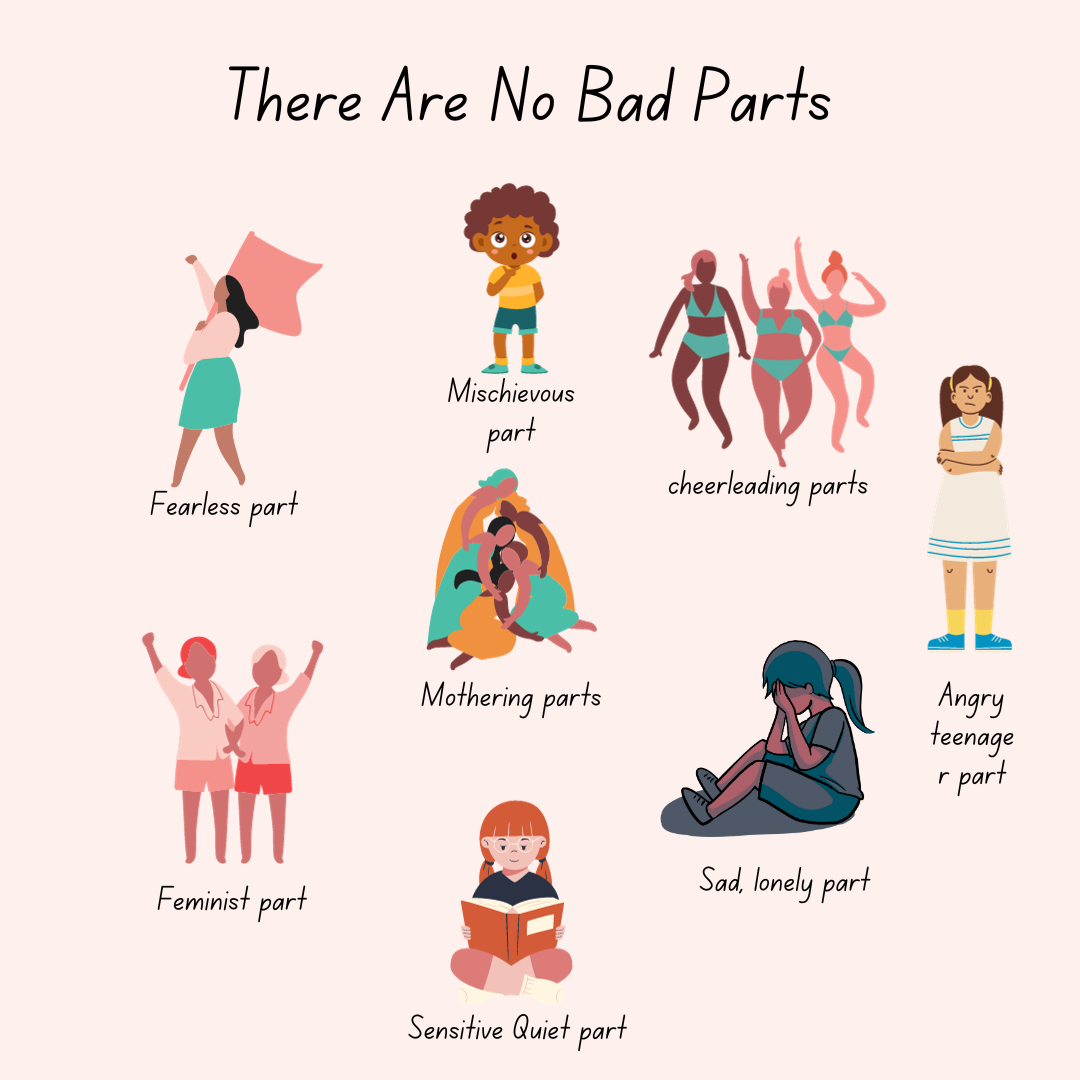
When you can slow down and get curious about what’s happening inside you, then you can work with and honor all your feelings. You can learn about your parts. And meet your sensitivities, and your fears, and all your feelings, with compassion and care.
Life On Repeat
IFS: What it Is and Who it's For
Feeling Stuck and Unfulfilled: Longing for Deeper Connection
Expressive Arts Approaches for Managing Anxiety
The Power of Practicing Gratitude
I find that gratitude and mindfulness practices can complement each other. When I’m mindful of my surroundings I’m also feeling grateful for the things I’m noticing, like the sound of the wind in the tress, or the feeling of my dog’s soft ears, or the way the sun makes shadows on the walls in my home.
Use Mindfulness to Manage Dark Winter Days
When we live in the worry of what was or what might be, we lose touch with where we are right now. Even though things feel out of control or worrisome, a lot of lovely things are happening in this moment. And we miss them when the worry consumes us. So, what can we do to feel more grounded and present in our lives?
Explore Your Inner World Through Journaling
Finding Joy During the Holidays and Throughout the Winter
But worrying about the bad all the time can color how we see and experience what’s happening right now, too. If we’re stuck in negative thinking, we might not notice an opportunity to get a hug, or the array of colors when the sun sets, or the breeze on our face, or the smell or the earth after a rainstorm, or the warmth of our home after we’ve been outside in the cold.
How to Manage Holiday Expectations
Using Meditation and Mindfulness to Manage Anxiety
On Being a Woman Worrier in a Worrying Time
Listening to My Inner Warrior: The Journey to Become Anti-Racist
I’m writing this because I’m a mother, a business owner and a therapist who knows what it’s like to be caught up in the worry. I’m a white woman who’s been caught up in the worries about not knowing what to say, saying the wrong thing, and feeling the shame and guilt of not saying anything when I see racism in my life, in my community, my country and in the world.
Experiencing the Power of Self-Compassion
How To Recognize Stress When You're Stuck At Home
I experience anxiety, I’m an introvert and I recognized later in life that I’m also a highly sensitive person (HSP), so it’s not surprising that I usually spend a good amount of time alone. With the current physical distancing and stay-at-home restrictions here in my home state of Maryland, the pace of my days is a little slower and I’m spending even more time at home.
5 Tips for Teletherapy or Online Counseling
5 Tips For Managing Your Anxiety About Coronavirus
About 15 years ago, I got stopped in my tracks. I’d been so busy taking care of others: the kids, the animals, the house, schoolwork, the chores…. Suddenly I realized I was missing something. I felt disconnected, untethered.
I was so out of touch with what I needed and wanted that I would freeze when given a choice like “pizza or Chinese?”
Curious About Mindfulness? Join Us to Learn More
We work so hard to get things done, to check them off our list(s), to be productive that we forget to notice what it’s like to live our life.
We make “doing” a priority.
Then the universe shows up and says, “What if doing isn’t enough? Wouldn’t you like to be in your life instead of do your life?”
“You were born worthy of love and belonging. Courage and daring are coursing through your veins. You were made to live and love with your whole heart. It’s time to show up and be seen.”
About 15 years ago, I got stopped in my tracks. I’d been so busy taking care of others: the kids, the animals, the house, schoolwork, the chores…. Suddenly I realized I was missing something. I felt disconnected, untethered.
I was so out of touch with what I needed and wanted that I would freeze when given a choice like “pizza or Chinese?”
Starting a mindfulness practice
That’s when I started on my journey with a mindfulness and meditation practice. It wasn’t easy. I wasn’t used to sitting quietly or taking notice of my sensory experience. I can remember telling my meditation coach, “I find that I tune out. I daydream, get lost in thought. I don’t think I’m meditating right.”
I worried that I might never get it “right.”
What it’s taken me some time to recognize is that it’s the noticing—when we’re drawn away to our thoughts, feelings, daydreams— that’s what matters. When we’re noticing and coming back to our breath and our body’s sensory experience, we’re practicing mindfulness.
The continued practice has helped me gain new insight into Me. It’s helped me feel more love and connection to all of me. All. Of. Me. The shadow and the light, the imperfections and the gifts. All of me.
It’s also helped me to feel more connected to everyone around me. My kids, my husband, my family, my dog, my clients, people I encounter in daily life…Because I feel a deeper connection inside me, it shines through on the outside.
Imagine if we could all show up and be seen.
Join me on a mindfulness journey
I’m on a quest to make that happen! Come join me and women like us in the Women’s Mindfulness Circles that are starting next month!
Here’s what others have said about the Mindfulness Circles:
“Spending time with other women in a supportive, healthy environment, I realized how little I have that.”
“A chance to meet with other [women] who are experiencing similar challenges and be accountable to the group for trying new habits and practices.”
“[I enjoyed] sharing and talking about our experiences.”
What to know more? You can find it here.
If you enjoyed this blog post and would like more insights into living with anxiety, tune into the Woman Worriers podcast. In each weekly 30-minute episode, host Elizabeth Cush, LCPC, and her guests explore living with anxiety, relationships, parenting, surviving trauma and other topics and offer insights into mindfulness, meditation and other helpful resources.
Elizabeth Cush, LCPC is a therapist, blogger, creator and host of the Woman Worriers podcast, and the owner of Progression Counseling in Annapolis, Md and she’s been featured in these major publications. Elizabeth helps busy, overwhelmed men and women manage their anxiety and stress so they can live their lives with more ease, contentment and purpose. If you'd like to know more about how individual, online and group therapy can help ease anxiety and stress, contact me!
Watch for Exciting New Changes
Some changes are coming to Progression Counseling and the Woman Worriers podcast! Don’t worry. They’re nothing huge—but they are changes.
Why is change so hard for us humans? You’d think we’d be biologically wired for change. After all, back in the day we’d need to be ready for whatever came our way: cold weather, lions, drought… But today we’re so resistant to making changes ourselves or when changes are made for us.
I think our worrying minds go into overdrive when we contemplate change. We think up all the possible bad things that might happen and then flesh out those stories so that they feel real, as if they actually happened.
Change can be uncomfortable. When we think about doing things differently, it can make us feel physically uncomfortable. That’s because unexpected changes can activate our fight/flight response. When our brain and body feel under attack from a perceived threat, our digestive system slows down and our heart rate increases as our body gets ready to fight or flee.
What Can We Do When We Don’t Like Change?
We don’t always like change, but it happens and we can’t change that! Most of the time, change isn’t something we can control. That’s the way life is. What we can change is our reaction to change. We can learn to tolerate the uncomfortableness that often accompanies change.
We can tune in and notice our body’s reactions to change by using mindfulness and meditation. Meditation trains us to notice the discomfort and stay with it. And although that might sound terrible, the feelings usually diminish. As they become less intense, we begin to feel less stressed.
Mindfulness helps us notice the thoughts, perceptions and interpretations that accompany our feelings about change. We can then get curious and look for other ways to interpret what’s happening. This helps to open us up to new possibilities and new ways of responding.
Here’s an example of mindfulness in action:
You learn from a neighbor that the store you love is changing management. You know the manager now, and go there because they carry all the things you love. But now you’re wondering about this new manager and what they might do to change things. Your body responds as if something really bad is about to happen.
You’re feeling upset or mad, so you decide to sit with that feeling for a moment. You take a few minutes to slowly breathe into the uncomfortable feelings that rise up in your body. You take a moment to honor whatever you’re feeling, without judgment. After a few minutes, you might notice that you’re feeling calmer.
You decide to get curious about your thoughts and perceptions about the change. You notice that you’re telling yourself that it will terrible for you, and you wonder, “What if it isn’t terrible?” You continue to get curious and imagine that the new manager might bring in some new stuff that you like, and maybe the new manager is just as nice as the old one.
You recognize that you can ask questions and find out more about the changes and then decide how you want to respond.
Using mindfulness and meditation to tolerate uncomfortable feelings around change takes practice and lots of self-compassion. If you’d like some help getting started, you can sign-up for free meditation and mindfulness guides available from my updated website.
Changes to Progression Counseling and Woman Worriers Podcast
The changes I’m making will definitely NOT be life threatening. I’m streamlining my website and redoing my logos for both Progression Counseling and Woman Worriers. I’m also offering a new Worried Women’s guides for meditating and mindfulness that you can request for free!
I’ll be shifting the content of the bi-weekly blogs a bit, too. My plan is to have one longer blog each month on things that make me/us worry and how we can support each other and ourselves in this worrying time. Towards the end of the month, I’ll send out an update with all the podcast episodes that month and links for you to find out more.

I’m refining the podcast focus as well. I’m still working on how it will shift, but my plan is to be more intentional about the podcast mission and guests who support that mission. It had begun to feel scattershot—who the guests were, why I was interviewing them. I want to be clear about my reasons for inviting someone on the show and to communicate that to you, the audience.
This is a worrying world, and all female-identified people have plenty to worry about! So, we’ll be talking to warrior women who have learned to work with the worry, instead of running from it and to warrior women (and sometimes men) who are supporting and empowering worried women in their journeys. I’ll be sharing warrior women’s worries, whatever they might be.
If you think you’d be a good guest on the podcast, or you know someone, you can contact me here.
Remember: You always have a choice about my emails and I’d love for you to stick around to see what’s new!
If you enjoyed this blog post and would like more insights into living with anxiety, tune into the Woman Worriers podcast. In each weekly 30-minute episode, host Elizabeth Cush, LCPC, and her guests explore living with anxiety, relationships, parenting, surviving trauma and other topics and offer insights into mindfulness, meditation and other helpful resources.
Elizabeth Cush, LCPC is a therapist, blogger, creator and host of the Woman Worriers podcast, and the owner of Progression Counseling in Annapolis, Md and she’s been featured in these major publications. Elizabeth helps busy, overwhelmed men and women manage their anxiety and stress so they can live their lives with more ease, contentment and purpose. If you'd like to know more about how individual, online and group therapy can help ease anxiety and stress call me 410-339-1979.
Setting Intentions For the New Year
The beginning of each new year feels like it brings pressure to do something big, to make changes, to be different. Vision boards, resolution lists, intention setting, manifesting… We have so many options to create change. I’m sure there are more.
For the last few years I’ve made a list of new-year intentions. I wrote down things I’d like more of in my life. Last year I also participated in a Best Year Ever class, where I mapped out what I wanted to accomplish over the course of the year. That was very helpful, but I found I tried to do all the things I’d mapped out right away! Then I forgot to go back and see what was left on the list as the year progressed.
In the past, because I’m a business owner, my goals tend to sway towards work rather than personal goals. I ended up feeling overwhelmed by all the things I added to my to-do list. Although my business is very important to me, I’ve recognized this past year that my personal goals get put aside or remain undone because I minimize their importance when I’m deciding how to spend my time and energy.
“Perhaps the biggest tragedy of our lives is that freedom is possible, yet we can pass our years trapped in the same old patterns...We may want to love other people without holding back, to feel authentic, to breathe in the beauty around us, to dance and sing. Yet each day we listen to inner voices that keep our life small.”
It’s important to make yourself a priority
When we put more emphasis on work, or other people’s needs and we don’t honor what we need it can lead to burn-out and us feeling frustrated, exhausted, angry and resentful. Not the best way to spend the first year of a new decade!
When you’ve lived much of your life putting other’s needs first—and that can happen at work as well as at home— it can be hard to do things differently. It definitely takes a bit more effort and a lot of positive self-talk, self-compassion and self-awareness to be mindful of and meet our own needs.
Making yourself a priority can feel selfish, mean, and very uncomfortable, but it’s important. If we’re not paying attention and attending to our needs, who else is going to do it?
It’s also easy to fall back into our old behaviors when we’re stressed. They’re called patterns for a reason! We’ve been taking care of everyone else’s needs for a long time. Change takes time.
I’d love to dedicate this year to the Self, and I hope you’ll join me. Taking care of You and making You a priority doesn’t have to be a grand gesture or enormous shift. It’s small steps, like checking in with yourself a few times a day and asking, “What do I need right now?” The answer might surprise you.
3 tips for taking care of your needs
Here are some other ideas to help you move into the new year with compassion and love for yourself:
·Make time to meditate each day.
Two to three minutes of mindful meditation every day can help you get to know yourself and your body in a deeper way.Be in nature.
Connecting with the natural world helps us feel more grounded and calm. When you’re in a more grounded place it’s easier to tune into You.Offer yourself the compassion and kindness you would give to friends.
We can change our relationship with ourselves if we can find some space for kindness.
No matter how you mark the new year, I hope you’ll take some time for you in 2020!
If you enjoyed this blog post and would like more insights into living with anxiety, tune into the Woman Worriers podcast. In each weekly 30-minute episode, host Elizabeth Cush, LCPC, and her guests explore living with anxiety, relationships, parenting, surviving trauma and other topics and offer insights into mindfulness, meditation and other helpful resources.
Elizabeth Cush, LCPC is a therapist, blogger, creator and host of the Woman Worriers podcast, and the owner of Progression Counseling in Annapolis, Md and she’s been featured in these major publications. Elizabeth helps busy, overwhelmed men and women manage their anxiety and stress so they can live their lives with more ease, contentment and purpose. If you'd like to know more about how individual, online and group therapy can help ease anxiety and stress call me 410-339-1979.